vita nouva / diary
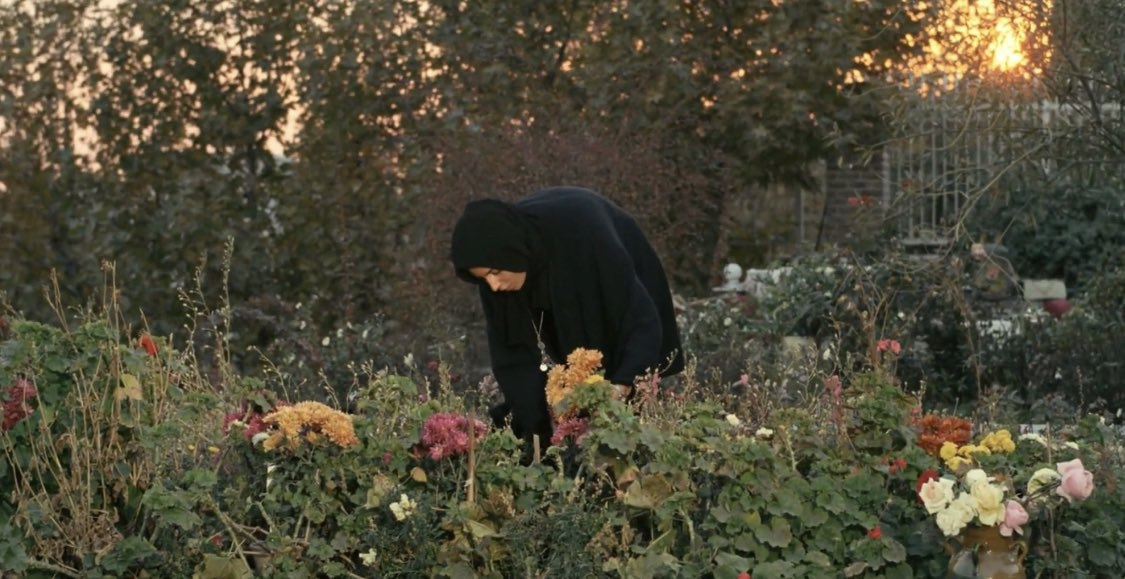
"The Rose Garden by Carl Aagaard"
30/06/2023

Don't believe him. He is useful to take the first step towards mental health, after that you can put him in the corner and let him collect dust. Don't forget to live, being a dreamer is an endless hole. Don't expect redemption from nietzsche's philosophy. I have also too often said to myself: ''what's the point of my life, others will fly higher!'' and justified my inactivity with this. And yet here we are. It would be a sin to live but not to live at the same time. Distrust your skeptical thoughts which think to see a change in the world in the direction of the ''superman''. Life flies by and at the end you have spent it with dreaming. Be grateful to the dear god, even if only out of virtue. Do not forget the affirmation of life. Too many among us do not really live. #Nietzsche

[permlink]
24/06/2023

ScienceDirect.om have some nice pages called "overview" that are created "using heuristic and machine-learning approaches to extract relevant information from our extensive collection of content". I usually skip browsing the site itself and jump to the dio directly through some scripting shenanigans, I think this is why I missed it for very long time. It's really useful that I wanted to let you know that it does exist.

[permlink]
11/06/2023

"To purify himself, is still necessary for the freedman of the spirit. Much of the prison and the mould still remaineth in him: pure hath his eye still to become." ~ Thus Spoke Zarathustra #Nietzsche

[permlink]
03/06/2023
  • [2025-11-29 Sat 18:32]
    Reflecting on this now as a full time Safari user makes me feel weird.

I don't use browser history. I think it is one of the worst features that were included in the new standards of web browsers. When web history was a thing for the first time it was a little bit useful since there were no search engines to use, so you would either memorize the URLs that you are using or retrieving them from the history. Now it's only included as a pretext for proprietary browsers to spy on you. However, I still believe it is a very bad idea to keep browsing history even if you compile your browser by yourself. Imagine keeping a camera on your 'safe' room that records shots of you, but it's totally safe since your room is very safe place so none will be able to gain access to it. This seems fine but why even bother guarding such a thing that is even not that useful, but could be very dangerous too if someone seizes? This is the same way I treat (or used to treat) browsing history. Recently I was reading the nyxt browser specifications and found out that they are using tree-style-like history instead of linear history that other browsers use. I decided to give it a try (the tree history not nyxt, it's a RIP already to me) to see how can it be useful. I noticed that I'm being a little more productive because I tend to browse less of shitty web content when I know that my history is recorded, perhaps thinking that someone will review my history and judge me :). I will update here later to inform you, dear readers, whether it does worth keeping this dangerous thing in your machine. #Programming

[permlink]
07/05/2023

On the culture of comfort.

I remember years ago when I was watching Black Mirror I recommended it to some people I knew, I thought it might help me to consolidate my arguments against the influence that modern technology (like social media sites) has against them, how they can be tracked and controlled; however all of them couldn't complete the show, not even more than one episode. "I don't feel comfortable watching this", they said.

At this point I felt they would think it would be discourteous of me to ask about "why?" or even to refer to them that this means that there is something wrong: having a TV show or an idea to make you feel 'uncomfortable' means nothing but having a great fragility in your mind, and it is in a very weak state.

This actually made me to think more about how most of people nowadays treat comfort, they sanctify it. Which is a big issue in my opinion, simply comfort does not lead to anything but a stable (in the sense of a bad incessantness) state of existence. I personally consider the absolute seeking of comfort to be one of the fetid thoughts a man could have, for thee supposed to make a change, and a change is never led by comfort. "For believe me, the secret for harvesting from existence the greatest fruitfulness and the greatest enjoyment is: to live dangerously! Build your cities on the slopes of Vesuvius! Send your ships into uncharted seas! Live at war with your peers and yourselves! Be robbers and conquerors as long as you cannot be rulers and possessors, you seekers of knowledge! Soon the age will be past when you could be content to live hidden in forests like shy deer! At long last the search for knowledge will reach out for its due: — it will want to rule and possess, and you with it!"1

Comfort is a key of ignoring all self-vulnerabilities; you don't feel comfortable to go on a fight with someone (if you had to for any reason), which might be a wise idea (refer to Les Passions de l'âme which is a great book by Descartes that explain why all passions and feelings are useful, including fear) if they are much stronger than you; however this clearly highlight an obvious vulnerability in your body power, working on it will definitely change the fight to be a great idea, but accepting the "I don't feel comfortable" to do so will only keep you in your low levels.

“Where your fear is, there is your task” — Carl Jung.

“Where you stumble, there lies your treasure. The very cave you are afraid to enter turns out to be the source of what you are looking for. The damned thing in the cave, that was so dreaded, has become the center.” ― Joseph Campbell, The Power of Myth.

Where you fear, there is your mission. #Modus Vivendi

Footnotes


1

Nietzsche, F., Williams, B., & Nauckhoff, J. (2001). The Gay Science. Cambridge University Press. p. 161

[permlink]
26/03/2023

ولو كانت الكُتُب تُلتقى بصفتِها كُتباً، لا بصفتِها غرائز ورغبات، لتغيّر الاقتصاد السياسي للكتُب كُليّة. والكُتبُ تخلق أثرَها ليس بما فيها، بل بالرّغبات التي تخلُقُ بوالرّغبات التي تُلصَقُ بها.

— عباس ابراهام.

Books are about ideas, not about books themselves. Who do you think might be responsible for that reducing of books into mere objects fixated upon themselves rather than their profound ideas? Those who were too indolent to comprehend the rudimentary fundamentals of them. "books did not work for me," says some dropout from a preparatory school or whatever, they saw books merely as inanimate objects that contained some inconsequential material. This is the essence of the term 'bookworm,' a decent description by an individual who was unable to grasp someone else's discipline (some philosophical idea, mathematical branch, physic, or anything) that happened to be written in a collection of papers (book) and, therefore, reduced it to a level they could comprehend, that being books, not ideas on them. The reasons underlying the formation of these communities are purely pseudointellectuality. Books are not about books. It is the ideas contained therein that possess significance, not the books themselves. If those ideas were introduced somewhere else that have more features than the print text format, no one would read books. #Modus Vivendi

[permlink]
11/03/2023

René Descartes contributes to a long tradition of philosophical inquiry into the nature of "the passions", I find inspiration in many of Descartes writings, however I hesitate to share them because I don't find reading them separately will add actually any value. However I found this work "Les Passions de l'âme" has many useful independent points.

Following is an anthology for this great work. (Arabic translations are provided!)

2023-03: currently there are only two of them, I will add the rest when I'm able to make enough time. - [2025-12-22 Mon 21:57] Looks like I never did! I might reread the book and put them in the Anthology inchallah.

The real nature of the conflicts that are usually imagined to take place between the lower and higher parts of the soul.

[..] But there is only one soul in us, and it is not in itself divided into different parts: one and the same soul is sensitive and rational, and all its appetites are acts of will. The mistake of seeing it as playing the part of different, and usually opposing, characters comes purely and simply from failing to make the proper distinction between the functions of the soul and those of the body. It is to the body alone that we should ascribe whatever can be observed within us that is at odds with our reason. So the only conflict at issue here is this one: since the little gland in the middle of the brain can be impelled in one direction by the soul and in another by the animal spirits, which, as I said above, are bodies pure and simple, it often happens that the two impulsions are opposed, and that the stronger one nullifies the effect of the other. Now, we can distinguish two kinds of movement aroused by the spirits in the gland: the first kind represent to the soul either the objects that affect the senses, or the impressions formed in the brain, and exert no pressure on the will; the second kind, those which cause the passions or the accompanying movements of the body, do exert some pressure on it. Although the first kind can often impede the actions of the soul, or else be impeded by them, nonetheless, because they are not directly contrary to them, no conflict is observed to take place. Such conflict is observed only between movements of the second kind and the contrary acts of will: for instance, between the pres- sure the spirits exert on the gland in order to produce the desire for something in the soul, and the contrary pressure of the soul, as it wills to keep away from that very thing. The main reason why the conflict makes itself felt is that, as has already been stated, the will does not have the power to arouse passions directly, and so is obliged to use the indirect approach and to set itself to consider various things in succession: now, if it happens that one of these thoughts is sufficiently powerful to change the flow of the spirits for a moment, it may happen that the next one is not, and that they immediately resume their former course, since the prior condition of the nerves, the heart, and the blood has remained unchanged. As a result, the soul feels itself impelled, almost simultaneously, to desire and not to desire one and the same thing; and this is what has prompted the idea that there are two conflicting powers within it. There is, however, another way of conceiving a kind of conflict: a cause that produces a certain passion in the soul will often also produce certain movements in the body to which the soul makes no contribution, and which it halts or tries to halt as soon as it perceives them; this is what we experience when something that produces terror.

والواقع أنه ليس فينا سوى نفس واحدة، وهذه النفس ليس لها في ذاتها أي تعدد للأجزاء. فالنفس الحاسة هي النفس العاقلة، وكل رغباتها هي أرادات. إن الخطأ الذي ارتكبه البعض حين جعل النفس تلعب دور شخصيات متعددة، متناقضة في العادة فيما بينها، لم يأت من عدم التمييز القاطع بين وظائف النفس ووظائف الجسد الذي يجب أن ننسب إليه كل ما يمكن أن نلاحظه فينا مما يتعارض مع عقلنا، وهكذا لا تعود هنا من معركة داخل جسدنا سوى أن الغدة الصغيرة الموجودة وسط الدماغ يمكن أن تدفعها النفس إلى جهة، بينما تدفعها إلى جهة أخرى الأرواح الحيوانية التي ليست سوى أجسام، كما وضحت. ويحصل في كثير من الأحيان أن تكون هاتان الدفعتان متناقضتين، وأن تمنع الأقوى ظهور نتيجة الأخرى، هذا ويمكننا أن نميز بين نوعين من الحركات التي تثيرها الأرواح في الغدة، النوع الأول يمثل للنفس الأغراض التي تحرك الحواس أو الانطباعات التي تلتقي في الدماغ، وهذه الحركات لا تترك أي أثر هام على الإرادة. أما الحركات الأخرى فإنها تترك أثرًا قويًا، وهذه الحركات هي تلك التي تسبب الانفعالات أو حركات الجسم التي تصاحبها حركات النوع الأول رغم أنها تمنع في كثير من الأحيان أفعال النفس أو أن هذه تمنعها من الظهور، فإننا لا نلاحظ وجود صراعٍ بينهما، والسبب في ذلك أنها ليست متناقضة بشكل مباشر. غير أننا نلاحظ نزاعًا بين النوع الثاني من الحركات والإرادات التي تناقضها، فمثلًا هناك نزاع قائم بين الأثر الذي تتركه الأرواح حين تدفع الغدة لتسبب في النفس الرغبة لشيء ما، وذلك ما تحاول النفس أن تبعد الغدة عنه عن طريق إرادتها في أن تهرب من الشيء عينه. والشيء الأساسي الذي لا يجعل هذا النزاع يظهر هو أن الإرادة لا تملك القدرة على إثارة الإنفعالات مباشرةً، كما سبق ووضحت، لذا فإنها مضطرة إلى أن تلجأ إلى الحيلة، وأن تواظب على تفحص أشياء عدة، الواحد بعد الآخر، فإذا حصل أن احدها كان قادرًا على تغيير مجرى الأرواح لفترة فمن المحتمل أن يكون الذي يليه غير قادر، فإن الأرواح تعود رأسًا إلى مجراها الساب، لأن الاستعداد الذي كان سابقًا في الأعصاب والقلب لم يتغير، لأن ترغب وألا ترغب في الشيء عينه. وهذه الواقعة فرصة ليتخيل الناس أن للنفس قوتين تتصارعان. هذا وما يزال من الممكن أيضًا أن نتصور وجود نزاع ما، ذلك أنه في كثير من الأحيان يحصل أن السبب نفسه الذي يثير في النفس انفعالا معينًا يثير أيضًا بعض الحركات في الجسم دون أن تشارك النفس في إحداثها، بل توقفها أو تحاول ذلك ما أن تلمحها فنشعر بما نشعر به حين يكون هناك ما يثير الخوف.

How we recognize strength or weakness in a soul, and why the weakest people are so.

Now, it is by the outcome of such conflicts that a person can know the strength or weakness of his or her soul. For those in whom the will is most naturally able to vanquish the passions and halt the accompanying movements of the body have, no doubt, the strongest souls. But there are people who do not give themselves the chance to realize their own strength, because they never set the will to fight with its own weapons, but only with those that some passions supply in order to resist others. What I mean by the will’s own weapons is firm and definite judgements concerning the difference between good and evil, according to which it has resolved to conduct the actions of its life. And the weakest souls of all are those whose will does not thus determine itself to follow certain judgements, but allows itself to be continually swept away by the passions of the moment, which, being often mutually contrary, enlist it by turns on their own side, and, setting it to fight against itself, reduce the soul to the most deplorable possible state. Thus, when terror is representing death as the ultimate evil, which can be avoided only by flight, if, on the other hand, ambition represents flight as a disgrace worse than death.

إن كل فرد يعرف ضعف نفسه أو قوتها من خلال نجاح هذه النزاعات. لأن من استطاعات إرادتهم أن تتغلب بشكل طبيعي وبسهولة على الانفعالات، وأن توقف حركات الجسم التي تصاحبها كانوا يملكون دون شك النفوس الأقوى، ولكن هناك من لا يستطيعون أن يحسوا بقوتهم لأنهم لا يجعلون إطلاقًا إرادتهم تصارع بأسلحتها الخاصة بل بالأسلحة التي تمدها بها بعض النفعالات من أجل مقاومة انفعالات أخرى. وما أسميه أسلحتها الخاصة بها هو الأحكام القاطعة والحازمة المتعلقة بمعرفة الخير والشر التي كانت النفس صممت على اتباعها في أعمال حياتها. أما الأنفس الأضعف من الجميع فهي تلك التي لم تصمم إرادتها على اتباع أحكام معينة، ولكنها تترك نفسها تنجرف باستمرار مع الانفعالات الحاضرة. ولكن لما كانت هذه في معظم الأحيان ناقضة لبعضها البعض فإنها تجذبها إلى جانبها الواحدة تلو الأخرى، وتستعملها لمحاربة ذاتها فتضع النفس في أسوا حال يمكن أن تكون عليه. وهكذا حين صور الخوف الموت كشر مستطير لا يمكن تجنبه إلا بالهرب، فإن الطموح يصور عار هذا الهرب كشر أسوأ من الموت. #Modus Vivendi

[permlink]
03/03/2023

Blest, who can unconcernedly find Hours, days, and years slide soft away, In health of body, peace of mind, Quiet by day.

Thus let me live, unseen, unknown, Thus unlamented let me die, Steal from the world, and not a stone Tell where I lie.

Composed c. 1700. First published 1717. #Modus Vivendi #Poetry

[permlink]
20/02/2023

It makes me so curibus whatever happened in some era of software history that converted user from an intelligent adventurer that we have to consider their understanding, give them warnings and provide them with helpful logs; into a really stupid creature that live without a mind, and we have to restrict ane control. We have to hide error messages (not to "expose internals") and popup a stupid so-called friendly "oh no, something went wrong, we are so sorry for that!". The reason why I don't understand the current situation of software industry is we already have been through it. Related: Computers Are No Longer Used #Programming

[permlink]
14/02/2023

I'm getting through a new adventure recently, chess programming ([2025-12-22 Mon 21:54] I stopped quickly) posted a while ago about studies related to Chess and Brains and there is something that I find very effective in chess so far, that's a discipline. Chess is purely an abstractive game[I agree with Stefan Zweig description of calling chess a game as Disparagement: "And are we not guilty of offensive disparagement in calling chess a game? Is it not also a science and an art, hovering between those categories as Muhammad’s coffin hovered between heaven and earth, a unique link between pairs of opposites: ancient yet eternally new; mechanical in structure, yet made effective only by the imagination; limited to a geometrically fixed space, yet with unlimited combinations; constantly developing, yet sterile; thought that leads nowhere; mathematics calculating nothing; art without works of art; architecture without substance – but nonetheless shown to be more durable in its entity and existence than all books and works of art; the only game that belongs to all nations and all eras, although no one knows what god brought it down to earth to vanquish boredom, sharpen the senses and stretch the mind."], you are playing for survival (even when you are playing for win), doing something fancy or fashionable doesn't mean anything no matter in which context, if it doesn't boost or neutralize you in computer evaluation number, or sometimes if it is not a part of a plan, then it's basically useless.

A life principle that I always try to live by is: "reasons not feelings", humans are not cleaver in accepting that naturally, that nature needs taming to accept such a principle, and I believe that chess is a powerful tool to do that.

I will elaborate on that later when I publish my chess collection soon, this post was created instead to share with you a similar discipline that I found Nietzsche talking about, that's pity. Pity as a feeling really fits in many examples of how our feelings can be unnecessary heavy loads in our brains. Pity only yields on two possible outcomes 1. "Generously" pity someone (we tend to simulate an effect of solidarity in feeling pity, so we do it as a matter of generousness, which, of course, makes us feel great) 2. Barely help them to get the feeling that you already did all you can (like when you really pity those poor kids, so you donate some amount of money, but you are not really willing to investigate the reason behind it to give them a real hand of help). Let's move to the text, I will leave the Arabic translation as well because, as I mentioned before, I find it more poetic .([2025-12-22 Mon 21:56] Some of this –I mean the feeling, pity, has to do with what Tolestoy mentioned of how he felt in What is it to be done?)

Larochefoucauld is certainly right when, in the most noteworthy passage of his self-portrait (first printed 1658), he warns all those who possess reason against pity, when he advises that it be left to those people of the commonality who (because their actions are not determined by reason) require the passions if they are to be brought to the point of aiding a sufferer or energetically intervening in a case of misfortune; while pity, in his (and Plato' s) judgment, enfeebles the soul. One should, to be sure, manifest pity, but take care not to possess it; for the unfortunate are so stupid that the manifestation of pity constitutes for them the greatest good in the world. - Perhaps one can warn even more strongly against this having pity if one understands this need felt by the unfortunate, not precisely as stupidity and intellectual deficiency, as a kind of mental disturbance that misfortune brings with it (that, indeed, is how Larochefoucauld seems to conceive it), but as something quite different and more suspicious. Observe children who weep and wail in order that they shall be pitied, and therefore wait for the moment when their condition will be noticed; live among invalids and the mentally afflicted

and ask yourself whether their eloquent moaning and complaining, their displaying of misfortune, does not fundamentally have the objective of hurting those who are with them: the pity which these then express is a consolation for the weak and suffering, inasmuch as it shows them that, all their weakness notwithstanding, they possess at any rate one power: the power to hurt. In this feeling of superiority of which the manifestation of pity makes him conscious, the unfortunate man gains a sort of pleasure; in the conceit of his imagination he is still of sufficient importance . to cause affliction in the world . The thirst for pity is thus a thirst for self-enjoyment, and that at the expense of one's fellow men; it displays man in the whole ruthlessness of his own dear self: but not precisely in his 'stupidity', as Larochefoucauld thinks. - In the conversations of social life, three-quarters of all questions are asked, three-quarters of all answers given, in order to cause just a little pain to the other party; that is why many people have such a thirst for social life: it makes them aware of their strength. In such countless but very small doses in which malice makes itself felt it is a powerful stimulant to life: just as benevolence, disseminated through the human world in the same form, is the ever avail­ able medicine. - But will there be many honest men prepared to admit that causing pain gives pleasure? that one not seldom entertains oneself ­ and entertains oneself well - by mortifying other people, at least in one's own mind, and by firing off at them the grapeshot of petty malice? Most are too dishonest, and a few too good, to know anything of this puderzdum;* and they are welcome to deny if they like that Prosper Merimeet is right when he says: 'Sachez aussi qu'il n'y a rien de plus commun que de faire Ie mal pour Ie plaisir de Ie faire.'

Nietzsche, F., Zimmern, H., & Nietzsche, F. (2009). Human, all-too-human parts one and two. p. 51 Prometheus Books.

كان لاروشفوكو مصيبًا وهو يحذر في إحدى المواقع الأكثر روعة من البروتريه الذاتي كل ذوي العقل من الشفقة، في حين ينصح بتركها لعامة الشعب الذين يحتاجونها (لأنهم ليسوا مُسيرين بأحكام العقل) كي تدفع بهم إلى مساعدة من يعاني والتدخل بحزم عند حصول كارثة؛ في حين أن الشفقة تستنفد طاقات الروح وتنهكها بحسب حكمه. وفي الحقيقة ينبغي أن نعرب عن الشفقة وأن نحترس من أن نكون حاملين لها؛ ذلك أن الأشقياء في رأيه على غاية من السخافة تجعل ابداء الشفقة تجاههم أكبر فضل يمكن أن يمنحهم إياه العالم. ولعلنا سنحذر بأكثر من هذه الشفقة التي يحملها المرء في نفسه إذا ما اعتبرنا حاجة الأشقياء إليها، لا كسخافة ونقص ذهني واضطراب عقلي يرافق حلول المصيبة (ويبدوا أن لاروشفوكو يفهم الأمر من هذا الوجه)، بل كشيء مختلف تمامًا ومشبوه. لننظر بالأحرى بعين المتفحص إلى الأطفال الذين يبكون ويصرخون كي يستدروا الشفقة، ولذلك يظلون منتظرين اللحظة التي سيقع انتباه الآخرين فيها على حالتهم؛ ولنعايش عن قرب مرضى ومصابين بالإرهاق الذهني، ولنتساءل إن لم تكن تلك الشكوى والتأوهات التي يستعرضون بها تعاستهم تسعى في الحقيقة إلى إيلام المحيطين بيهم: فالشفقة التي يبديها هؤلاء نحوهم هي إذن عزاء للضعفاء والمتألمين، بما أنها تجعلهم يشعرون معها بأنهم بالرغم من ضعفهم يملكون سلطة واحدة على الأقل هي القدرة على إيلام الآخرين. يجد الشقي نوعًا من اللذة في هذا الشعور بالتفوق الذي يمنحه إياه إبداء الشفقة، ويتفاقم وهمه ليشعر بأنه ما يزال على قدر من الأهمية كي يثير الألم في العالم المحيط به. وبهذا يكون الظمأ إلى الشفقة ظمئًا إلى الالتذاذ بالذات، وذلك على حساب الآخرين؛ ويكشف لنا هذا الأمر عن الإنسان في كامل وقاحة حبه لذاته، وليس في سخافته كما يقول لاروشفوكو.

#Nietzsche

[permlink]

31/01/2023

الحَرب بين أوفيديوس وأغسطس مثيرة جدًا للاهتمام، خصوصًا حيال شخصية أغسطس. فكَرت أنه كان يتزمت (i.e. اصطنع قراراته حيال أوفيديوس) لأظهار رجولته (وهو ما كان يتم في روما القديمة من خلال إظهار رفض المشاعر emotions)؛ بالطبع حتى التزمت في هذه الحالة مثير للأهتمام لأنه يتزمت ضد الشهوة التي يروج لها أوفيديوس (وهو أمر ليس بالسهل). ما جعلني أتراجع عن هذا الحكم هو أني رأيت أنه نفى ابنته جوليا إلى بانداتريا، وكان قد نفى أوفيديوس إلى تومس الدانوب قبلها لنفس السبب. أرجح أنه فقط كان رجلًا منضبطًا لقواعده بشكل لم نعد نراه هذه الأيام.

يلاحظ أن الحكم الذي أصدره على ابنته كان حُكمًا مخففًا، والحكم الأصلي في هذه الحالة عند الرومان هو الإعدام، والمتعارف عليه هو أن العاطفة جريمة ولكن التنازل الطبقي كَبيرة. والتنازل الطبقي هُنا كأن يعامل العَبد كإنسان (حتى العَبد المحرر أو المعتوق كان يبقى عبدًا بالتزمات، فهو ينتقل لطبقة المعتوقين وليس لطبقة الأحرار)، لذلك كانت عقوبة أوفيديوس عظيمة لأن دعوى الاستفادة المتبادلة مع النساء (وهُن يشكلات طبقة أخرى) تستنبط (implies) التنازل الطبقي.

وغَير طبقة النساء هناك طبقة تسمى الماترونات، والماترونة هي سيدة من طبقات النبلاء (الحاكم وأولياءه)، والماترونة تتصف ببعض صفات رِجال الرومان المتعلقة بالعفة والإيجابية، ولكن ليست الإيجابية التامة. ما فعلته جوليا بعلاقتها مع تايبيريوس يرتكب جريمة العاطفة ولكن الأهم هو أنه يُثبت كَبيرة التنازل الطبقي، وهذا جوابه المتعرف عليه هو الإعدام. من الواضح أن أغسطس كان لم يكن يرغب في تطبيق القانون على ابنته، لكنه لم يكن يرغب بالتهاون كذلك، وهنا صدر قانون جوليا عام 18 ميلادية، وهو يقضي بالنَفي خارج البلاد لمن يتركب إحدى تلك الكبائر بدلًا عن الإعدام. ماتت جوليا فيما بعد بسبب اعراضها عن الطعام.

#hisotry

[permlink]
24/12/2022

I have mentioned before my perspectives on the social media dilemma here (I don't recommend reading it if you did not, I wrote it fanatically 3 years ago) I've been reading Nietzsche recently as you probably guessed, and he did have a staid yet poetic dissertation on the very topic. I've collected anthologies of his from different books and I'd like to share them here (My naive translation included).

The endeavour to avoid one's renown, the intentional offending of one's panegyrists, the dislike of hearing opinions about one's self, and all through fear of renown: instances like these are to be met with; they actually exist—believe it or not!

أن يخشى أحدهم شهرته، ويهين عن قصد هؤلاء الذين يثنون عليه، ويخاف سماع الأحكام التي تصدر في حقه، خشية الثناء،— هذا أمر موجود بالفعل، صدقوا أو لا تصدقوا!

Here is some one who, you perceive, wishes to praise you: you bite your lips and brace up your heart: Oh, that that cup might go hence! But it does not, it comes! let us therefore drink the sweet impudence of the panegyrist, let us overcome the disgust and profound contempt that we feel for the innermost substance of his praise, let us assume a look of thankful joy—for he wished to make himself agreeable to us! And now that it is all over we know that he feels greatly exalted; he has been victorious over us. Yes, and also over himself, the villain!—for it was no easy matter for him to wring this praise from himself.

/تنتبه إلى أن شخصًا يريد أن يثني عليك: تعض على شفتك، ينفبض قلبك، عسى أن تتركني هاته الكأس وشأني! لكنها لا تتركك، بل تدنوا منك! لتشرب كأس بذاءة لسان المادح العذبة، لتتغلب على الإشمئزاز والاحتقار الشديد اللذان يوحي بهما جوهر ثنائه، لتظهر على وجهك ملامح فرحة الاعتراف بجميل ثناءه. قد كان لطيفًا معنا. الآن وقد حدث ذلك تعلم أنه يشعر بالابتهاج، لقد انتصر عليك—وعلى ذاته كذلك، هو ذلك الحيوان! لم يكن من السهل عليه أن ينتزع من نفسه ذلك الإطراء./

REFUSING THANKS.—We are perfectly justified in refusing a request, but it is never right to refuse thanks—or, what comes to the same thing, to accept them coldly and conventionally. This

قد نرفض طلبًا، ولكن لا يحق لنا أبدًا أن نرفض الثناء، سيعتبر ذلك إهانة كبيرة، لماذا؟

And my favorite one:

He who bestows something great receives no gratitude; for in accepting it the recipient has already been weighed down too much. A refined soul is distressed to know that someone owes it thanks; a crude soul, to know that it owes someone thanks. When the gratitude of many to one throws away all shame, we behold fame.

من يمنح ما هو جليل لا يتلقى ثناءًا، لأنه بقبوله يكون قد أُثقل على كاهله الكثير بالفعل. النفس المُهذّبة تبأس لشعورها بأن هناك من يدين لها بالشكر؛ رُوحٌ فجة، كي تحس أنها مدينة بالشكر لشخص ما.

The last one from Human, all too human I think is the most missionary thesis of his in this topic:

The reason why the powerful man is grateful is this : his benefactor, through the benefit he confers, has mistaken and intruded into the sphere of the powerful man, —now the latter, in return, penetrates into the sphere of the benefactor by the act of gratitude. It is a milder form of revenge. Without the satisfaction of gratitude, the powerful man would have shown himself powerless, and would have been reckoned as such ever after. Therefore every society of the good, which originally meant the powerful, places gratitude amongst the first duties.—Swift propounded the maxim that men were grateful in the same proportion as they were revengeful.

I think one of the most reasons he was consistent (and it is hard to consistent for an intensive writer, they usually have many contradictions) for, is that he knew no one would read him then. #Nietzsche

[permlink]
10/11/2022

Wild horses take Me without fear and hesitation Through the wide world. And whoever sees me knows me, And whoever knows me calls me The homeless man. Heidideldi! Never forget me! My happiness, you bright star!

No one may dare To ask me Where my homeland is. I am really not bound To space and fleeting hours I am just as free as the Aar! Heidideldi! Never forsake me! My happiness, you lovely May! That I eventually must perish,

Must kiss bitter death- That I scarcely believe. Must I sink into the grave And never again drink The fragrant froth of life? Heidideldi! N ever forsake me My happiness, you colorful dream!

#Nietzsche #Poetry

[permlink]
19/10/2022

"I will not add, I will diminish; I will train myself down to the standard of what is unchangeably true. Day by day I drop off my redundancies; ere long I shall have stripped my ribs; when I die, they will but bury my spine." —Mardi

[permlink]
16/09/2022

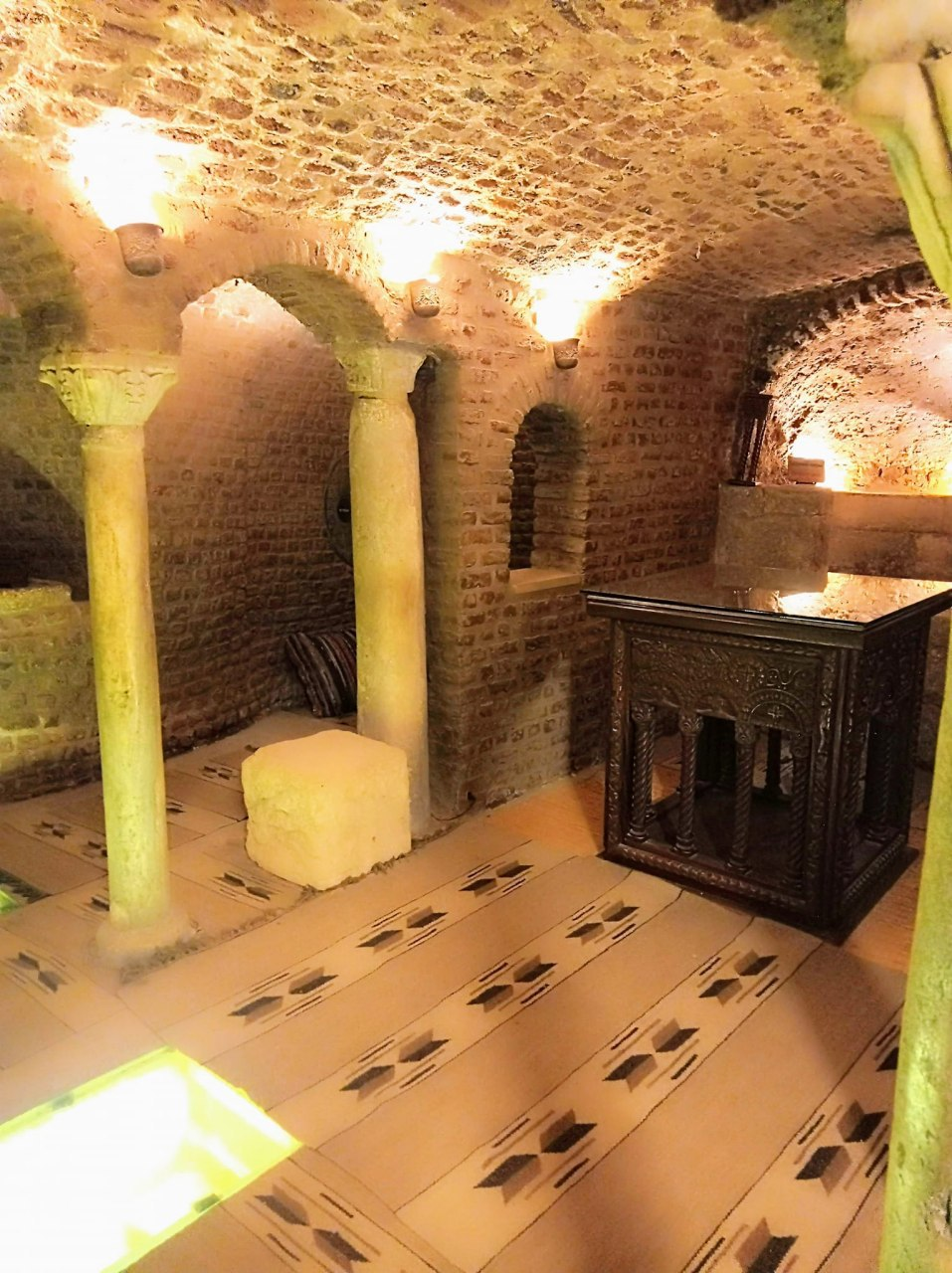
كنيسة المغارة حيث السيدة مريم العذراء وطفلها السيد المسيح، قد أقاما ثلاثة أشهر خلال رحلة هروبهما من الرومان. تقع هذه المغارة أسفل كنيسة القديسين سيرجيوس وواخس المعروفة باسم كنيسة أبو سرجة. بجوار مدخل الكنيسة، البئر الذى يعتقد أن مريم العذراء والسيد المسيح بقيا يشربان منه خلال فترة إقامتهما هنا فى رحلتهما.

../i/2026-01-10_18-47-34_screenshot.png

#Christianity

[permlink]
07/09/2022

09:13 Emacs as a music player

Manged to use Emacs as a music player I hate the MusicPD so much. I don't know a lot about music processing (actually, I rembember back then in school, I was very interested in the music processing chapter in signals, but for some reason I don't recall, I gave up it totally), but sometimes baiscally I think that "some" things shouldn't be "that" difficult to get it to work (that's why I think MS' Windows is a horrible OS), and MusicPD is very difficult to get it to work.

My first music player when I used GNU/Linux for the first time was cmus, I still love it. But after time, I think it was that "watershed" in 2021 that made me use Emacs over vim. I couldn't stand simple & minimal music player like cmus (bloat it or burn it😂), I moved to musikcube, and it was just prefect. The only problem was when I cloned my hard disk using Clonezilla, some files got corrupted. So when I had a queue with 500 songs, and the 12th song has a 'lost' byte of data, the whole queue is not going to play after this song is loaded (unless i resume it myself). And from here my suffer began, I moved to various QT music players (Clementine, Amarok, Strawberry, ELissa, etc..). I even used Spotify. I tried ncmpcpp but hell no MPD.

Today I was listening to this song Don't Wanna Leave You Now, Honey, I don't wanna leave you now🎵.

And I realized how much I don't want to leave Emacs. So I told myself with a wojak extied face-mask: damn it I will do that MPD shit. I looked up emms, I thought I would need configuration upon mpd (I accepted my destiny) but just M-x emms worked.

Well, today was not good at all, but I'm glad I can listen to music peacefully again.

(screenshot) #Programming #Emacs

[permlink]
28/08/2022

مِن المُحتمل أن تكون موضوعات الأحاسيس الدينية والأخلاقية والجمالية متصلة بسطح الأشياء فقط، بينما يحلوا للإنسان أن يعتقد متوهمًا أنه قد لامس هنا على الأقل جوهر الكون. وإنما هو يقع في الوهم، لأن تلك الأشياء تسبب له شعورًا عميقًا بالسعادة أو بالشقاء، ويكشف بذلك عن نفس الشعور بالفخر الذي يبديه إزاء علم التنجيم. فهذا الأخير يعتبر أن الكواكب تدور كلها حول مصير الإنسان؛ في حين يفترض الإنسان الأخلاقي أن ما يشغل قلبه جوهريًا، لا بد أن يكون هو جوهر الأشياء وقلبها.

#Nietzsche

[permlink]
24/08/2022

يَعيشُ الحُرّ بأقل كُلفة وأبهظ لامبالاة. كذا عيش الحُرّ: ذلك أنه يحتاج، وهو يُعلمنا بأسماء ما هو أهم، إلى كل تلك الأشياء التي يستزيدها الآخرون ويتخلون عنها.— يستمتع بالبساطة ولا يعرف الملذات الباهظة [..]لا يفسد الندم لياليه وأيامه، يتحرك ويأكل، يشرب وينام بما يناسب عقله، ليصير هذا العقل أكثر هدوءًا وقوةً وصفاءًا؛ يستمتع بجسده ولا يرى داعيًا للخوف منه؛ لا يحتاج لمعاشرة الناس إلا من حين لآخر ليعود بعد ذلك لمعانقة وحدته بمزيد من الحنان؛ يستعيض بالأموات عن الأحياء.

— نيتشه. #Nietzsche #Modus Vivendi

[permlink]
c. lr0 2026